If you want to give a home to butterflies and moths, you have to lay out a spread. It goes beyond just providing native milkweeds for monarchs and some dill or fennel (not native) for the Swallowtails. You have to do some studying. You are tasked with sitting in your garden or a park or community garden and just watching. This may take some time. Not all butterflies appear in the same seasons or even at the same times. It will require some patience.
Here is what I have noticed:
Monarchs are present in northeast Florida almost all year long. You may not see many in late December and early January, but that doesn’t mean that they are gone. They are just hanging out, either wintering over in a chrysalis or sitting quietly on foliage waiting for warmer weather. The moment it gets above about 55 degrees and the sun peeps out, they will start moving, albeit slowly.
What are the monarchs doing on those days when it’s just warm enough to move around? They are juicing up. From what I have observed, they are not laying eggs on milkweed at this time nor are they spending a lot of time mating. They seem to be in a holding pattern, finding flowers they can easily sip from. Since we have such a heavy infestation of OE in our milkweed and on the monarch caterpillars, chrysalises, and butterflies, it’s best to clear out the milkweed during these times. That’s right. Tear it out.
But don’t worry. Milkweed comes back quickly. If it doesn’t come back there will be some available at your local native plant nursery.
After tearing out the milkweed, you will need to provide those few stragglers with some food. This means planting some flowers that are:
- A color that attracts the monarch
- Have an anatomy that is conducive to feeding
Monarchs love the color orange. Maybe they like it because they are orange and it just makes them happy. I do not understand why monarchs like what they like, but I do know from observing that they are partial to
Mexican Sunflowers
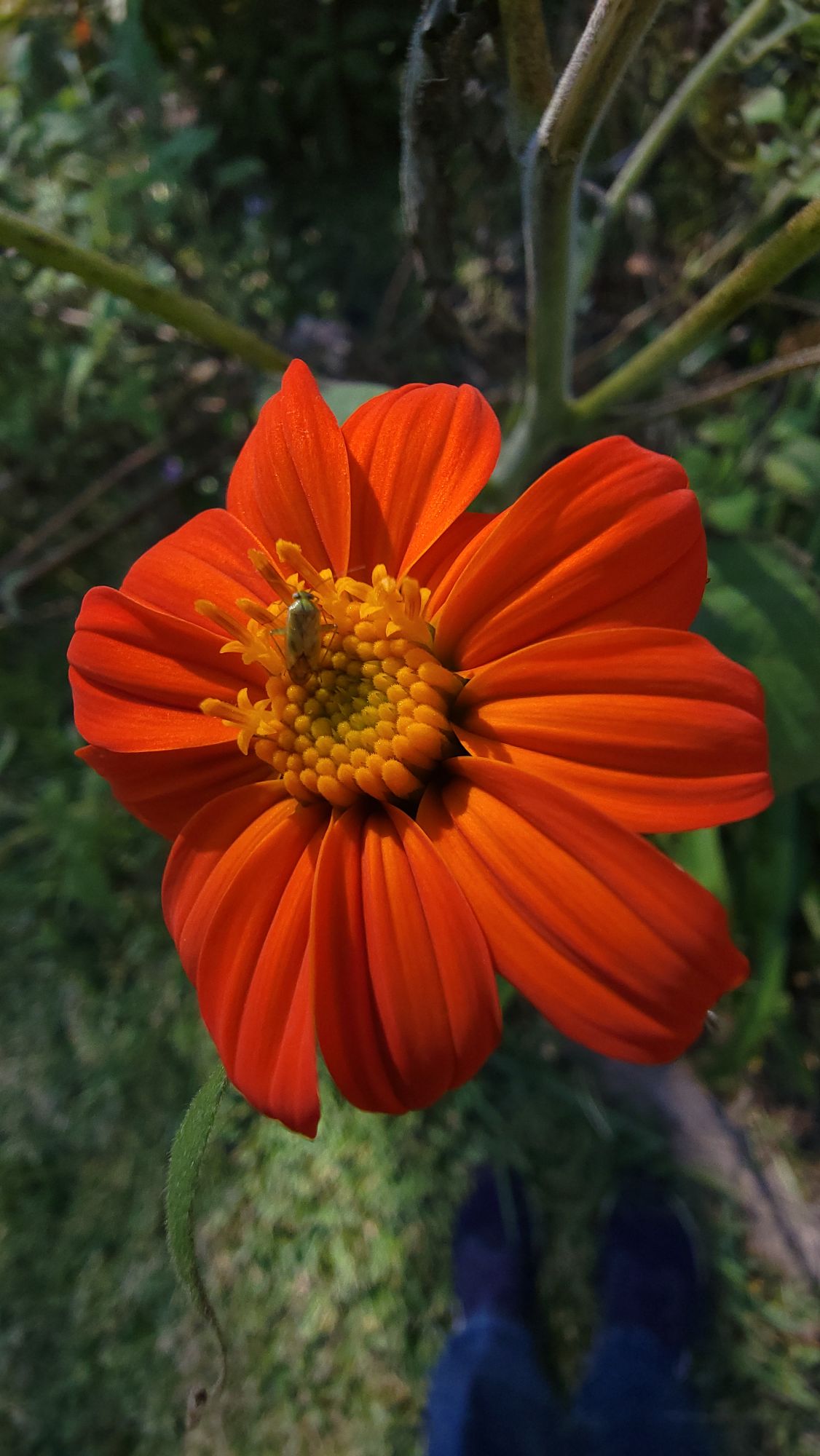
Tithonia rotundifolia
These flowers are insect magnets. It isn’t just Monarchs visiting these bright, happy looking blooms.
Fiery skippers, Long tailed skippers, Gulf Fritillaries, Painted Ladies, Swallowtails of all kinds love this flower.
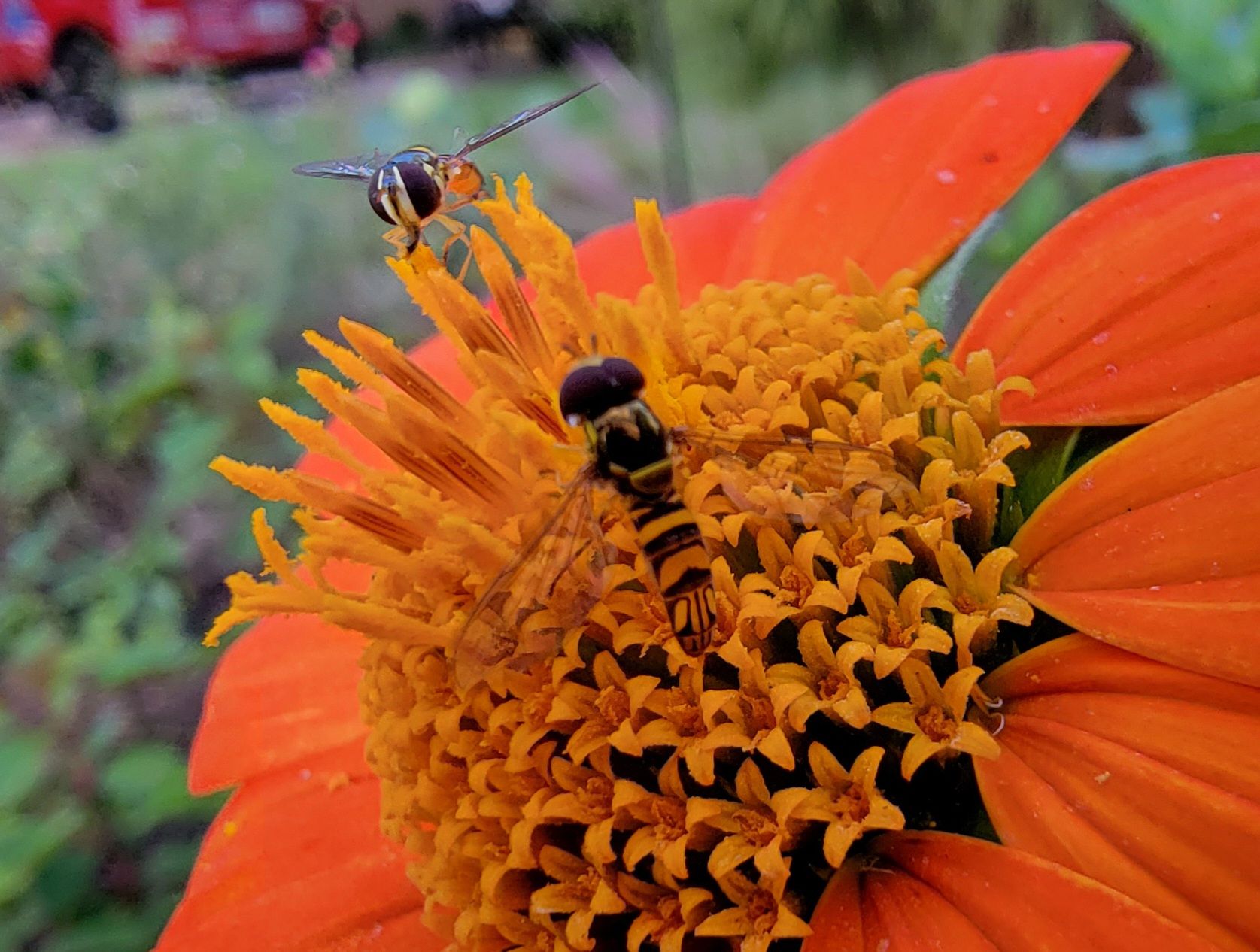
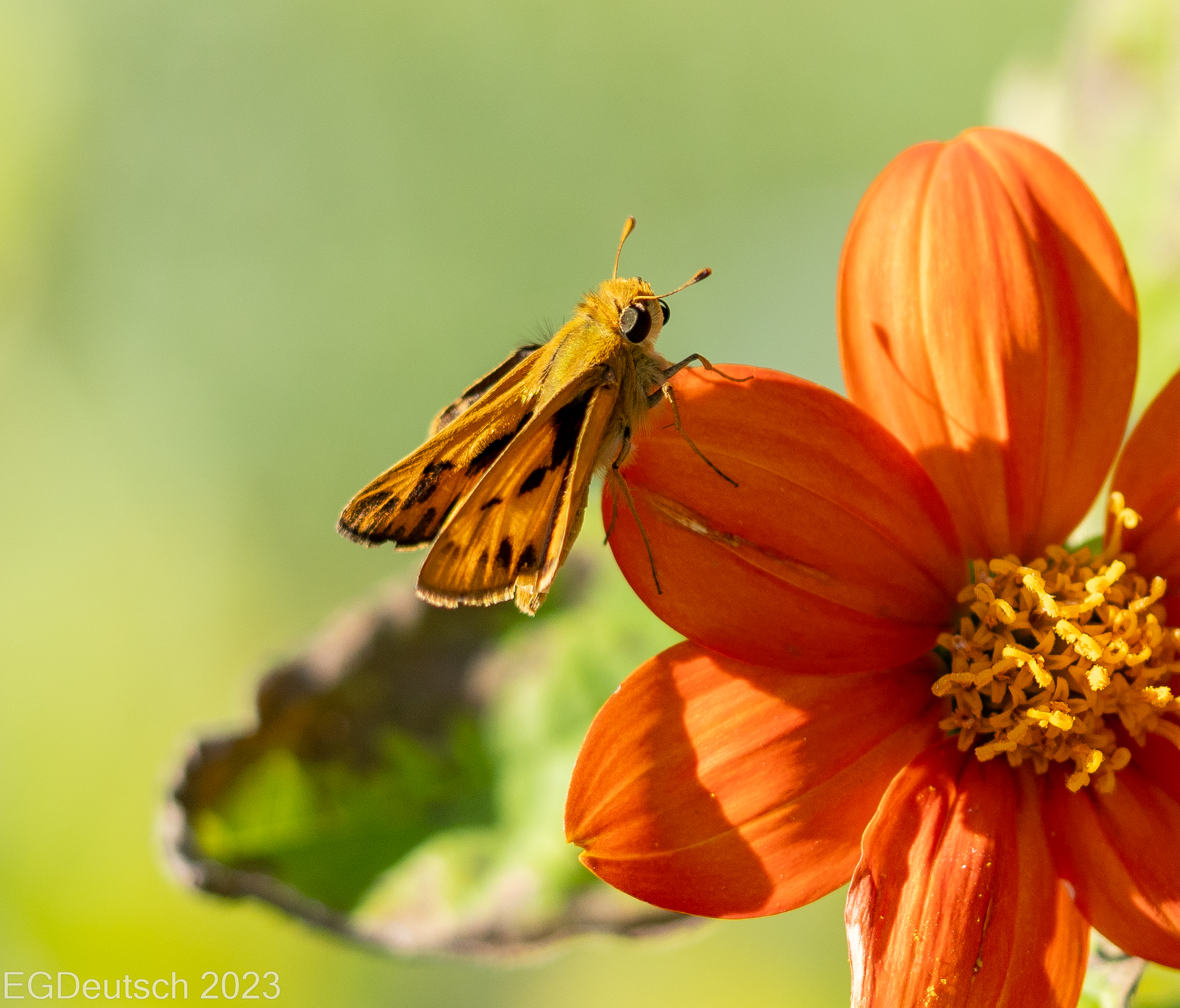
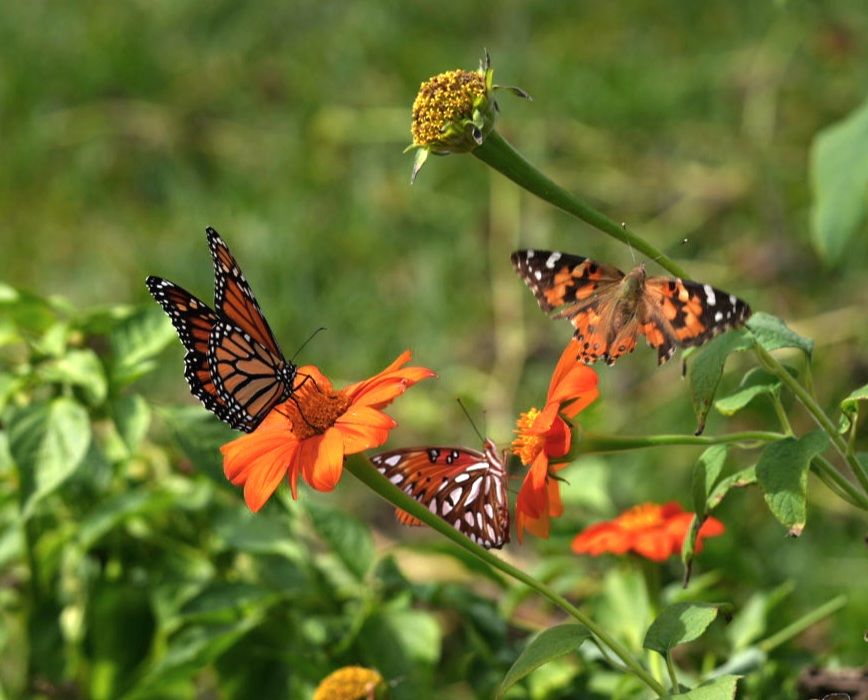
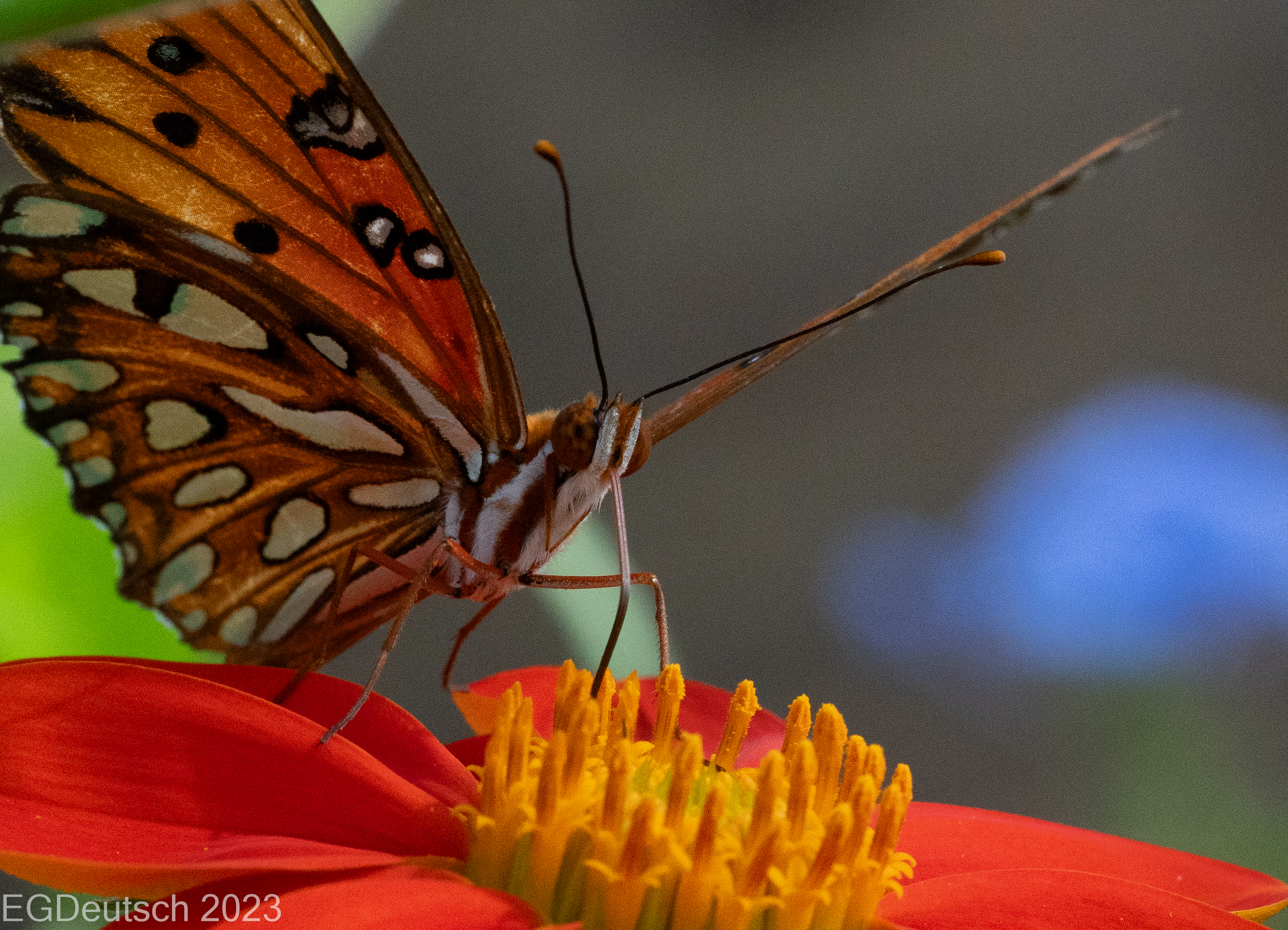
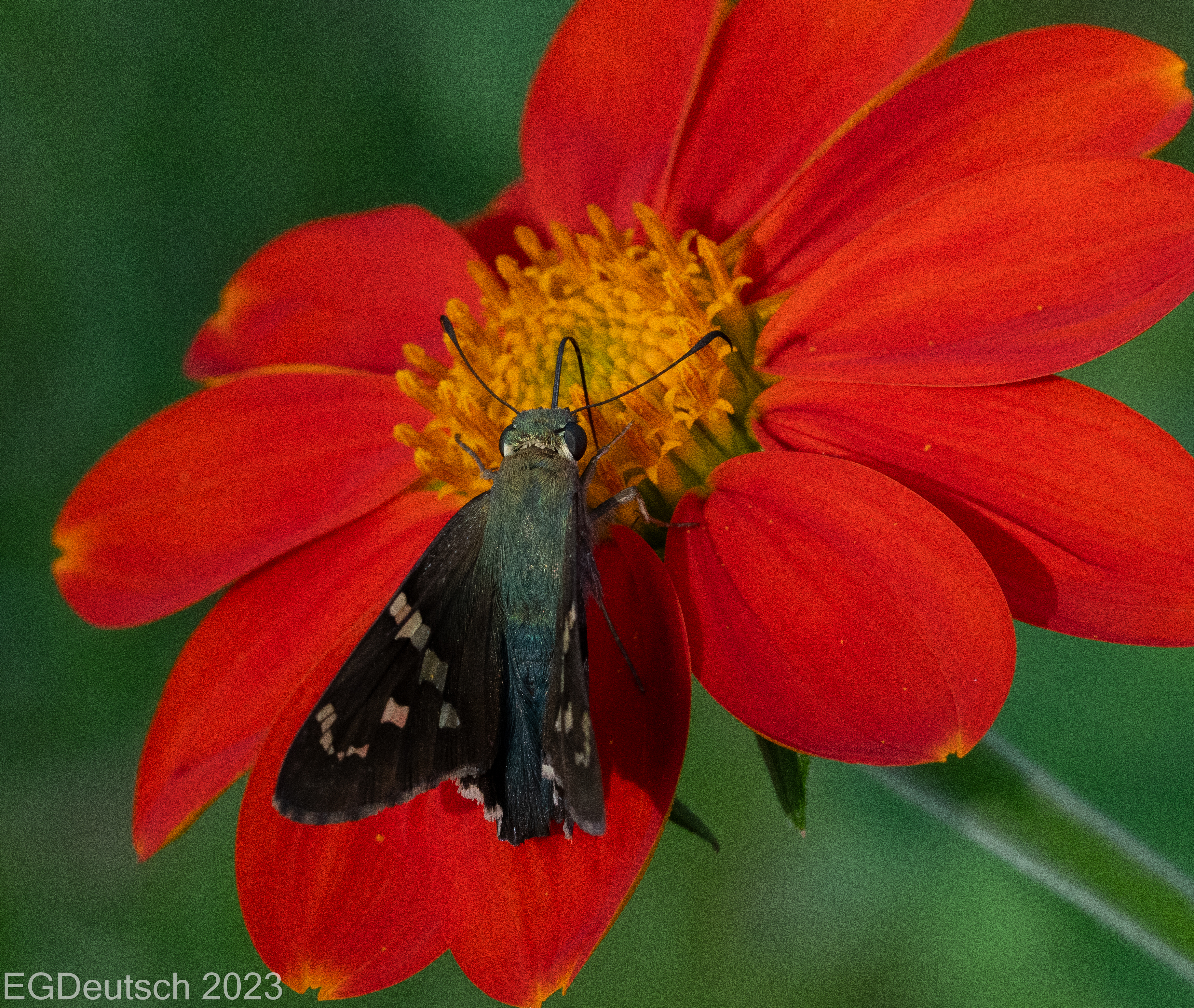
I am not sure if it’s the color, shape, size or some unseen, un-smellable quality that drives the insects to this particular flower. If you want a universally attractive bloom for your pollinator garden, this is the one to start with.
 Buzzing Blossoms